

Introduction
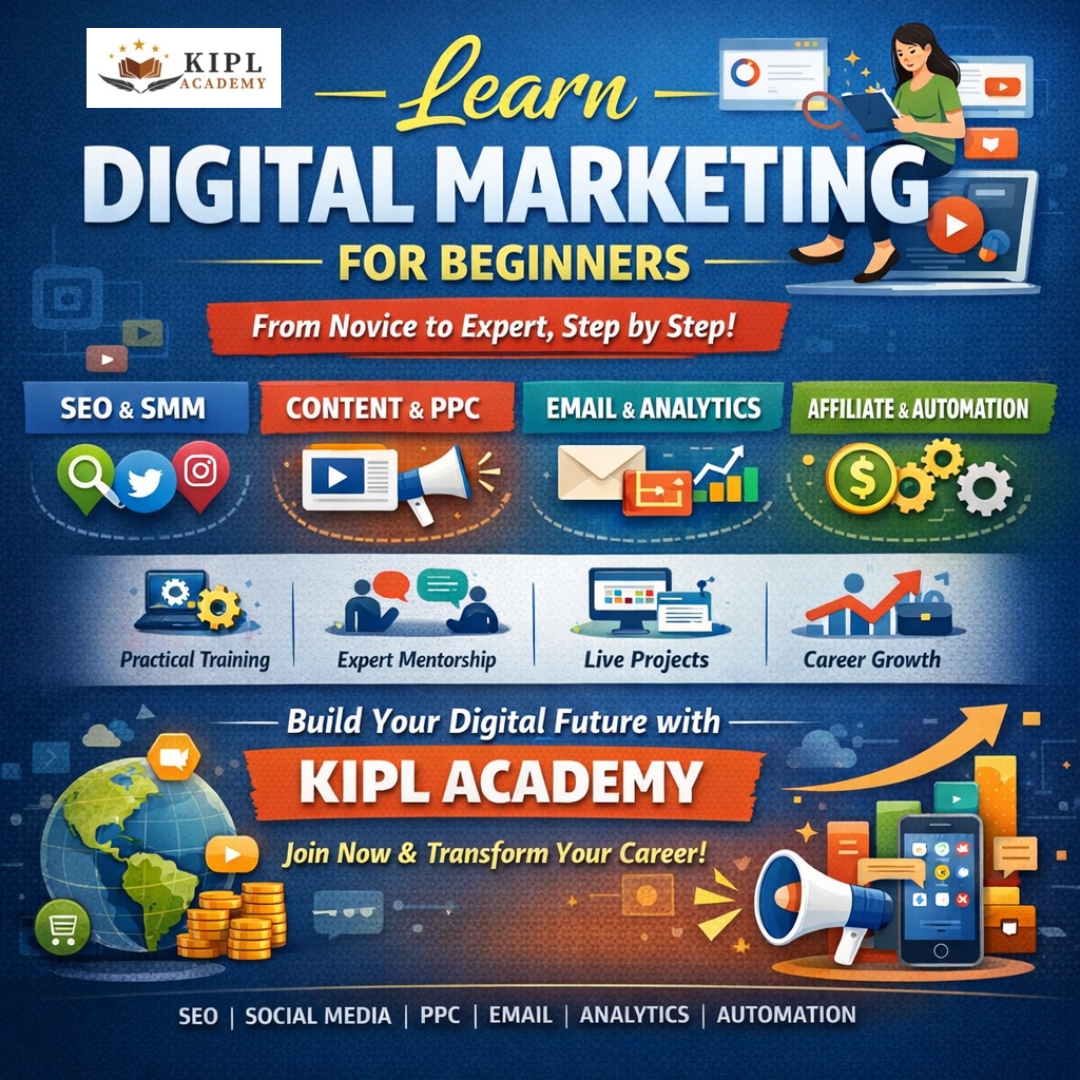
Learn Digital Marketing for Beginners is one of the most searched learning topics today, and for good reason. Businesses, professionals, students, entrepreneurs, and even traditional companies are shifting towards digital platforms for growth. The internet has become the largest marketplace in the world, and digital marketing is the bridge that connects brands to customers.
Digital marketing is not just about running ads or posting on social media. It is a complete ecosystem that includes strategy, psychology, creativity, data, technology, automation, and communication. Beginners often feel confused because there are many terms, tools, and platforms involved. SEO, PPC, SMM, CRM, funnels, automation, remarketing, analytics — all these terms can feel overwhelming.
This is why this guide by KIPL Academy is designed specially for absolute beginners. It breaks down every concept into simple language, practical understanding, and real-world relevance. Whether you are a student, business owner, job seeker, freelancer, or professional looking to upskill, this guide will help you build a strong foundation in digital marketing.
What is Digital Marketing?
Digital marketing is the promotion of products, services, brands, or ideas using digital platforms and internet-based technologies. It focuses on reaching users where they already spend their time — online.
Digital marketing channels include:
- Search engines (Google, Bing)
- Websites and blogs
- Social media platforms (Instagram, Facebook, LinkedIn, YouTube, X)
- Email platforms
- Online advertising networks
- Mobile applications
- Messaging platforms
Unlike traditional marketing (newspapers, hoardings, TV, radio), digital marketing is interactive, data-driven, and measurable. Every action a user takes can be tracked and analyzed. This allows businesses to improve performance continuously.
When people search for Learn Digital Marketing for Beginners, they are usually looking for a structured path that explains how all these channels work together — and not as isolated skills.
Digital Marketing Channels
| Channel | Description | Popular Platforms | Main Purpose |
| Search Engines | Marketing through search visibility | Google, Bing | Organic & paid traffic |
| Websites & Blogs | Owned digital assets | WordPress, Webflow | Information & lead generation |
| Social Media | Audience engagement platforms | Instagram, Facebook, LinkedIn, YouTube, X | Branding & community building |
| Direct communication | Mailchimp, Zoho, HubSpot | Retention & nurturing | |
| Online Ads | Paid promotions | Google Ads, Meta Ads | Instant traffic & sales |
| Mobile Apps | App-based marketing | In-app ads, push notifications | User engagement |
| Messaging | Direct messaging marketing | WhatsApp, Telegram | Personalized communication |
Why Digital Marketing is Important Today
-
Digital Presence is Business Presence
If a business is not online, it practically does not exist for modern consumers. Customers search on Google before buying, check reviews on social media, and compare brands online.
-
Cost-Effective Growth
Digital marketing allows even small businesses to compete with big brands through targeted advertising and organic strategies.
-
Global Market Access
A local business can reach international customers using digital platforms.
-
Measurable Results
Every campaign can be tracked using analytics tools.
-
Personalization
Businesses can deliver customized content and ads to specific users.
Core Areas of Digital Marketing
-
Search Engine Optimization (SEO)
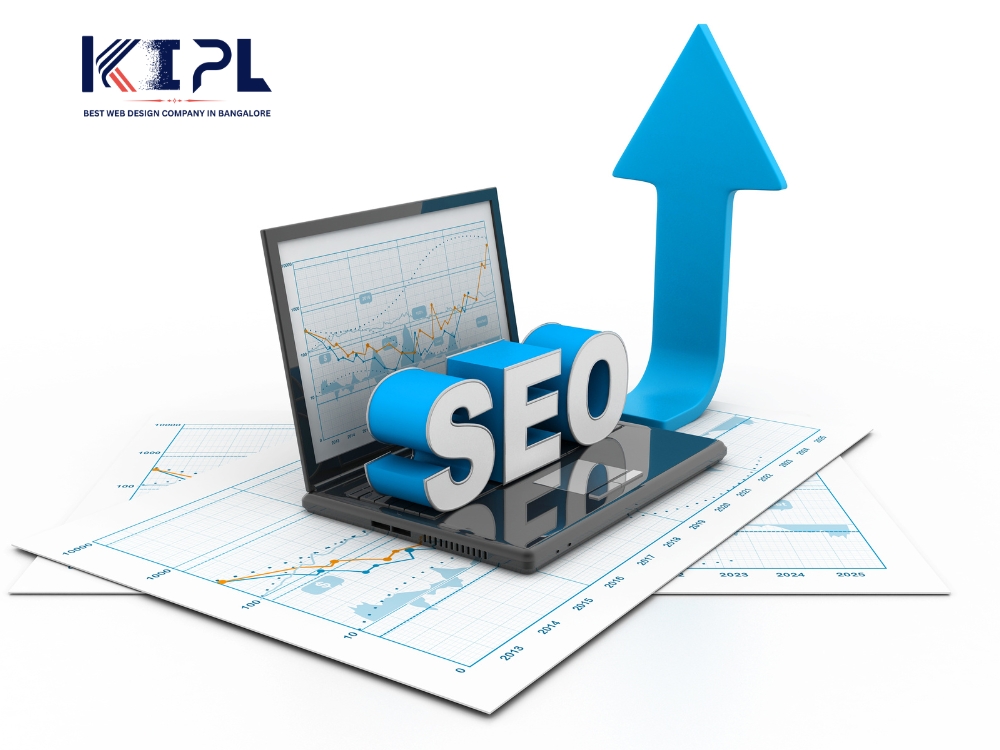
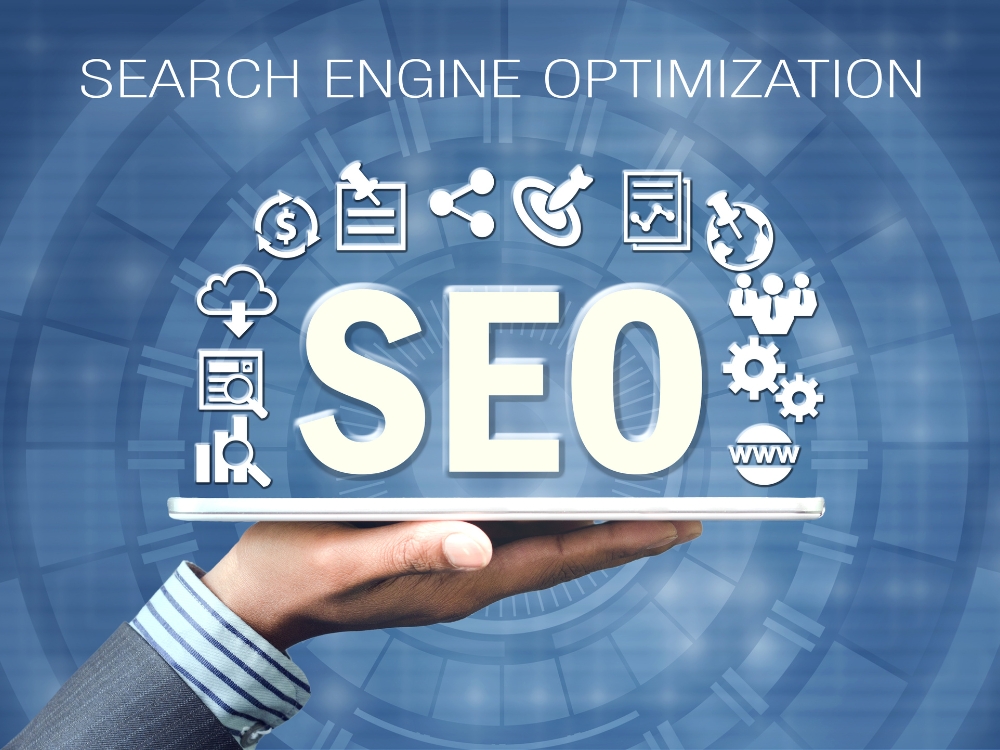
SEO is the process of optimizing websites to rank higher in search engine results. When users search for information, products, or services, SEO helps businesses appear organically.
Main components of SEO:
- Keyword Research- Understanding what users search for and selecting the right keywords.
- On-Page SEO- Optimizing content, headings, images, URLs, and internal linking.
- Technical SEO- Improving site speed, mobile-friendliness, indexing, and structure.
- Off-Page SEO- Building backlinks, brand mentions, and online authority.
- Local SEO- Optimizing for location-based searches.
SEO creates long-term traffic and trust. It is one of the strongest foundations for sustainable digital growth.
-
Social Media Marketing (SMM)
Social media marketing is the use of social platforms to build brand identity, engage audiences, and generate leads.
Platforms include:
- YouTube
- Twitter (X)
Key activities:
- Content creation
- Community management
- Brand storytelling
- Influencer collaboration
- Paid promotions
Social media builds emotional connection with audiences and strengthens brand loyalty.
-
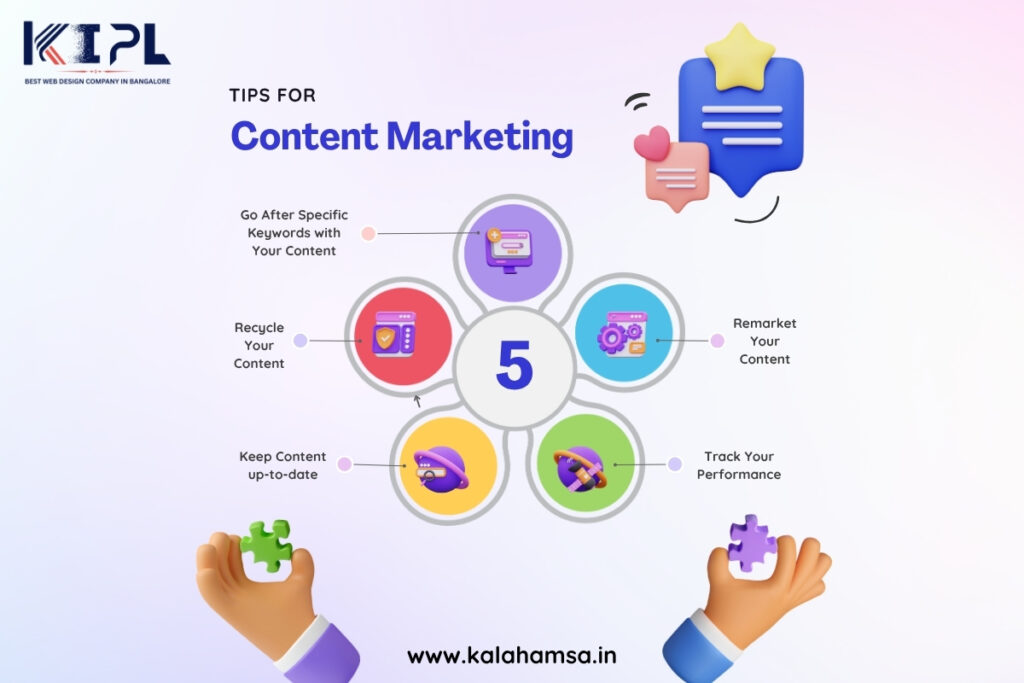
Content Marketing
Content marketing focuses on creating valuable information that attracts and educates users.
Content formats include:
- Blogs
- Videos
- Reels
- Infographics
- Podcasts
- Case studies
- Ebooks
Good content builds authority, trust, and organic growth.
-
Paid Advertising (PPC)
Paid advertising helps brands get instant visibility and results.
Platforms include:
- Google Ads
- Facebook Ads
- Instagram Ads
- YouTube Ads
- LinkedIn Ads
Paid marketing is data-driven and performance-oriented.
-
Email Marketing
Email marketing builds direct relationships with customers.
Applications:
- Lead nurturing
- Customer retention
- Promotions
- Automation
- Personalization
-
Affiliate Marketing
Affiliate marketing allows people to earn commissions by promoting other companies’ products.
-
Influencer Marketing
Brands collaborate with influencers to reach niche audiences.
-
Analytics & Data Tracking
Analytics tools track performance and user behavior.
Digital Marketing Learning Path for Beginners
- Foundation Stage
- Internet basics
- Website fundamentals
- Digital platforms
- Consumer psychology
- Skill Development Stage
- SEO fundamentals
- Social media handling
- Content creation
- Paid ads basics
- Tool Mastery Stage
- Google Analytics
- Search Console
- CRM tools
- Automation platforms
- Practical Stage
- Live projects
- Internships
- Freelancing
- Case studies
Core Areas of Digital Marketing
| Area | Key Activities | Outcome |
| SEO | Keyword research, on-page, backlinks | Organic traffic |
| Social Media Marketing | Content posting, ads, engagement | Brand awareness |
| Content Marketing | Blogs, videos, infographics | Authority & trust |
| PPC Advertising | Paid search & display ads | Instant leads |
| Email Marketing | Campaigns, automation | Customer retention |
| Affiliate Marketing | Commission promotions | Passive sales |
| Influencer Marketing | Creator collaborations | Niche reach |
| Analytics | Data tracking & reporting | Performance improvement |
Career Opportunities in Digital Marketing
Digital marketing offers diverse career paths:
- SEO specialist
- Social media manager
- Performance marketer
- Content strategist
- Email marketing manager
- Digital analyst
- Growth marketer
- Marketing consultant
- Freelancer
- Agency owner
Business Benefits of Digital Marketing
- Brand visibility
- Lead generation
- Sales growth
- Automation
- Customer retention
- Market expansion
Why Choose KIPL Academy
KIPL Academy provides:
- Structured curriculum
- Industry tools
- Mentorship
- Career support
- Freelancing guidance
- Business growth strategy
- Future Scope of Digital Marketing
Digital marketing will grow with:
- AI
- Automation
- Voice search
- Video dominance
- Data personalization
- Metaverse marketing
Frequently Asked Questions (FAQ)
-
What is digital marketing in simple words?
Digital marketing means promoting products, services, or brands using the internet and digital platforms like Google, social media, websites, email, and online ads.
-
Who should learn digital marketing?
Students, working professionals, business owners, entrepreneurs, freelancers, job seekers, and anyone who wants to build an online career or grow a business should learn digital marketing.
-
Is digital marketing difficult for beginners?
No. If learning is structured and practical, digital marketing is easy to understand. Beginners only need proper guidance, step-by-step learning, and regular practice.
-
How long does it take to learn digital marketing?
Basic understanding can be developed in 2–3 months, while professional-level skills usually take 21 days with online recorded class.
-
Can I learn digital marketing without technical background?
Yes. No technical or IT background is required. Digital marketing is skill-based, not degree-based.
-
What skills are required to start digital marketing?
Basic computer knowledge, communication skills, creativity, curiosity, learning mindset, and consistency are enough to start.
-
Is digital marketing a good career option?
Yes. Digital marketing offers high demand, global opportunities, freelancing income, business growth potential, and long-term career stability.
-
Can digital marketing help grow small businesses?
Yes. Digital marketing is one of the most powerful and affordable ways for small businesses to grow locally and globally.
-
What are the main tools used in digital marketing?
Google Analytics, Google Search Console, Canva, CRM tools, email marketing software, automation tools, and ad platforms.
-
Does KIPL Academy provide practical training?
No, KIPL Academy does not provide practical training or live project work. The program is designed as a structured online course with detailed recorded sessions and real-time campaign explanations for conceptual understanding.
Students receive clear theoretical guidance along with WhatsApp support for doubt clarification.
Conclusion
Learn Digital Marketing for Beginners is not just about acquiring skills; it is about building a mindset for digital growth. With structured learning, practical exposure, and right mentorship, anyone can build a successful digital career or business.
KIPL Academy provides a complete ecosystem for beginners to transform into skilled professionals.